
Lease inspectors specifically check for interior stains and excess wear at turn-in, and the charges for going over the line aren’t small. The good news is that most of what gets billed is preventable — it’s not random bad luck, it’s specific zones that take repeated contact over a 2-4 year lease term.
What Actually Gets Charged at Turn-In
Leasing companies distinguish between normal wear and “excess” wear, and the difference matters financially. Permanent stains, carpet tears, and upholstery damage typically fall outside normal wear guidelines and get billed directly to the lessee. A dirty floor mat is usually fine — a stained or torn seat back often isn’t.
One trick experienced lessees already use: buy aftermarket floor mats for daily use, store the factory mats in the garage, then swap back before the inspection. The same logic applies to the seat back trim, except that zone can’t be swapped back in the same way once it’s stained — prevention matters more there than anywhere else in the cabin.
Why the Lower Seat Back Trim Is a Turn-In Risk Zone
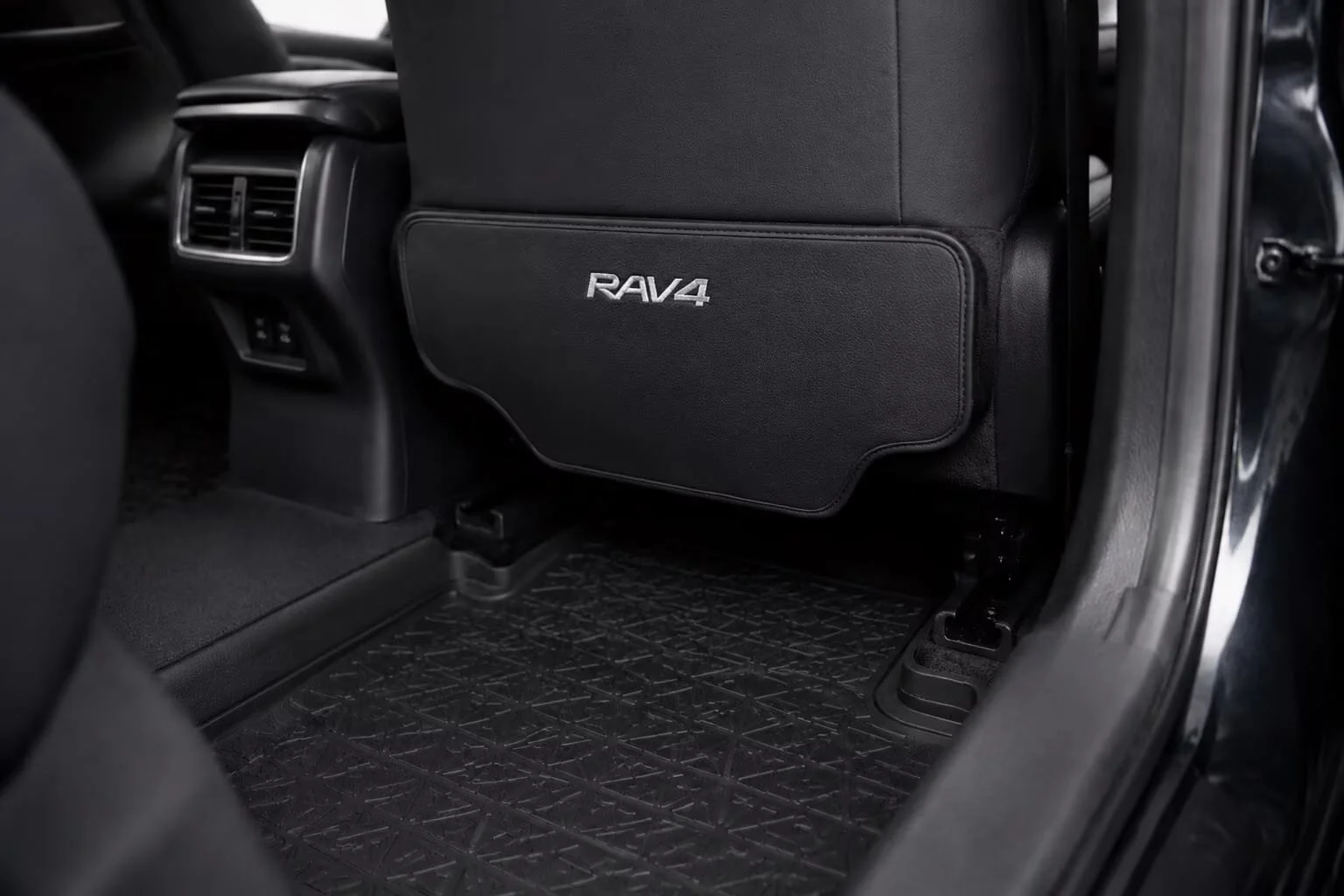
The fabric strip below the leather seat back takes more repeated contact over a lease term than almost any other interior surface — kids’ shoes, pet hair, mud from rear-seat entry, all landing in the same spot hundreds of times over 2-4 years. Unlike a floor mat, it can’t be swapped out before your inspection appointment. Whatever condition it’s in at turn-in is what the inspector sees.
A custom-fit lower trim protector stops that damage from ever reaching the factory upholstery in the first place — there’s nothing to swap out or clean up before turn-in, because the trim underneath stays exactly as it was on delivery day.
The Cost Math
A stained or scuffed seat back trim strip at lease-end inspection can trigger an excess-wear charge well beyond what a $22.99 protector costs upfront. Since it’s installed for the full lease term rather than swapped in right before inspection, it’s working the entire time — not just covering up damage at the last minute, which inspectors are generally trained to spot anyway.
Frequently Asked Questions
Will a seat back protector look like an obvious add-on to a lease inspector?
No — a custom-fit protector is laser-mapped to sit flush with the factory seat contour, unlike swapped-in floor mats which are an expected, normal accessory anyway.
Can I remove it easily before returning the car?
Yes, though most lessees leave it on — since it protects rather than hides damage, there’s nothing to conceal at inspection time.
Does this count as a modification that could void my lease terms?
No — it straps on without tools or adhesive and doesn’t alter the seat structure, similar to how aftermarket floor mats and seat covers are treated as normal accessories rather than modifications.