
Most new-car checklists cover the paperwork — registration, insurance, title transfer — and stop there. Those first 30 days matter for the interior too, since whatever condition it’s in after the first month tends to set the pattern for the rest of ownership. A few habits started early save real cleanup and cost down the line.
The Paperwork Clock Is Real
Most states require registration and title transfer within 30 days of purchase, and insurance needs to be active before you drive off the lot — don’t assume a grace period applies, since many policies don’t include one automatically. Handle these first; everything else in the first month builds on having the legal basics locked down.
Document the Starting Condition
A common step in new-car checklists: photograph the interior and exterior in good lighting right after delivery, before regular use starts. That baseline record matters if a dealer dispute comes up later, and it also makes it obvious later exactly how much wear has actually accumulated — useful information whether you’re tracking resale value or just deciding what needs protecting first.
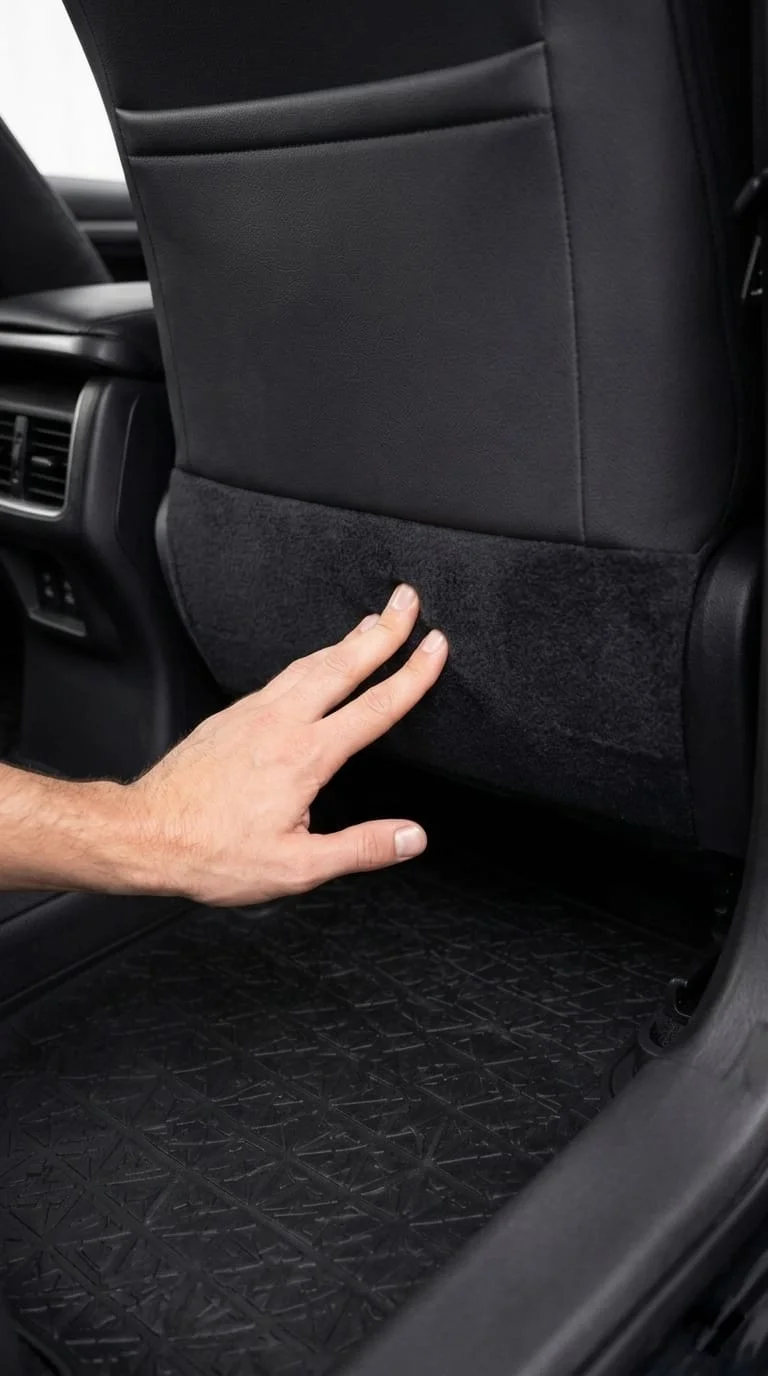
Protect the Zone That Wears Fastest
The lower seat back trim — the fabric strip below the leather — takes more repeated contact in the first month than almost any other interior surface, especially with kids or pets using the back seat regularly. Once mud or scuffs work into that fabric, it doesn’t wipe clean the way leather does. Installing a custom-fit protector in week one means the factory trim underneath never shows the wear in the first place, instead of trying to clean it up after the fact.
This applies whether you’re in a Camry or an RAV4 — the wear pattern is the same regardless of body style, since it comes from how the back seat gets used, not the shape of the car.
Baseline Maintenance Still Matters
A first oil change and fluid check, a tire pressure and tread inspection, and a quick review of the maintenance schedule round out the mechanical side of the first 30 days. None of that overlaps with interior protection, but skipping either side of the checklist — mechanical upkeep or interior wear — tends to show up as a bigger problem later than it would have been to prevent early.
Frequently Asked Questions
Is it worth protecting the interior if I plan to keep the car long-term?
Yes — long-term ownership means more cumulative wear on the same high-contact zones, not less. Starting early just means the factory trim stays in its original condition longer.
What if I lease instead of buy?
Even more reason to start in the first 30 days — lease turn-in inspections specifically check for interior stains and excess wear, and that zone can’t be swapped out before inspection the way floor mats can.
Does installing a protector void any new-car warranty?
No — it straps on without tools or adhesive and doesn’t alter the seat structure, so it has no effect on factory warranty coverage.